
Choosing the right smart parking system is a strategic decision for developers, facility owners, and organizations aiming to maximize space efficiency while improving user experience. As cities grow and vehicle numbers continue to rise, parking has become one of the most challenging infrastructure issues. Smart parking technologies provide a modern solution, but selecting the right one requires understanding several factors including available space, project requirements, automation level, and long-term operational goals.
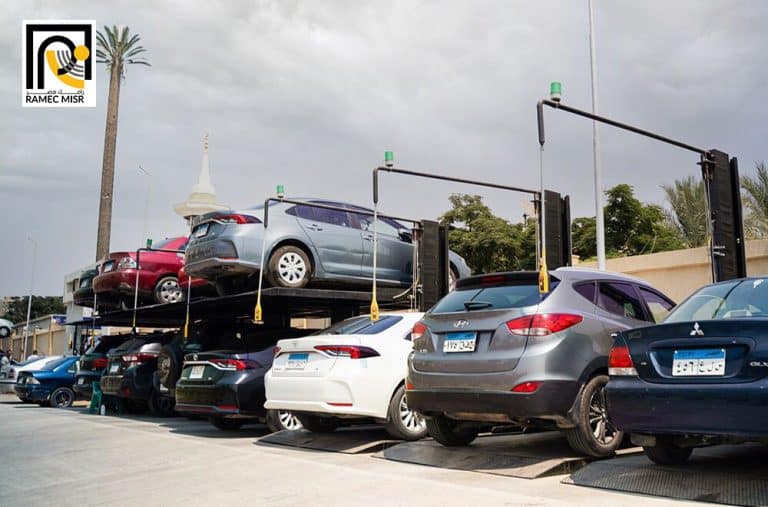
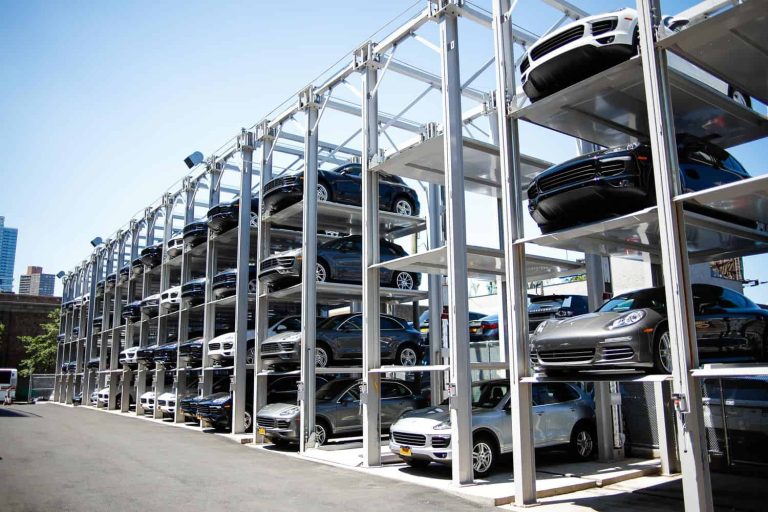
The first step in choosing the suitable smart parking system is evaluating the physical space. Not every parking solution fits every location. Compact areas with limited footprint may require vertical parking towers, which offer high capacity in a very small land area. Meanwhile, wider spaces might benefit from horizontal mechanical parking systems or semi-automatic solutions that allow smooth and flexible vehicle flow. Understanding the site layout helps narrow the available options and ensures the chosen system integrates naturally with the surrounding environment.
Another key factor is the expected traffic flow. Facilities with high rotation, such as shopping malls, hospitals, and transportation hubs, need a system that can handle fast entry and exit times. Fully automated systems provide quick vehicle retrieval and consistent performance regardless of peak hours. On the other hand, residential buildings typically experience low daily traffic, meaning semi-automatic systems can be more than sufficient while still offering high efficiency.
Developers should also consider the level of automation required. Fully automated systems eliminate human intervention entirely, providing maximum safety, precision, and convenience. They rely on robotic arms, conveyors, and lifting platforms to move cars to their assigned slots. Semi-automatic systems require partial driver participation, often involving platforms or lifts that assist movement. While fully automated systems deliver the highest performance, semi-automatic options are often cost-effective and easier to maintain.
Maintenance and long-term operation also play an important role. A smart parking system must be reliable, durable, and supported by a strong technical team. Regular maintenance ensures smooth performance, prevents technical issues, and extends system lifespan. Choosing a provider with proven experience, strong after-sales support, and readily available spare parts is essential for minimizing downtime and avoiding disruptions.
Safety features must also be evaluated carefully. Modern smart parking systems include advanced sensors, fire-resistant structures, vehicle detection technology, and backup safety mechanisms. These features protect both the system and users, ensuring a secure parking experience. Developers should ensure that any selected system complies with international safety standards and local building regulations.
Energy efficiency is another growing consideration. Many smart parking solutions now integrate energy-saving technologies such as LED lighting, efficient motors, and smart sensors that operate only when necessary. These features reduce operational costs and support long-term sustainability goals.
Finally, scalability is important. A well-designed smart parking system should allow future expansion, whether by increasing capacity, adding new technologies, or upgrading to a higher automation level. This ensures that the parking structure continues to meet user needs as the surrounding area develops.
In conclusion, choosing the right smart parking system requires a balanced understanding of space, traffic flow, automation needs, safety requirements, and long-term maintenance. By carefully assessing these factors, developers can implement a solution that enhances space utilization, improves user experience, and supports the overall efficiency of modern urban environments.