
Smart parking has become one of the most effective solutions for increasing urban efficiency in modern cities. As populations expand and car ownership continues to rise, traditional parking methods are no longer sufficient to support daily mobility needs. This is where smart parking technology plays a critical role in transforming how cities operate, improving traffic flow, enhancing safety, and optimizing the use of limited space.
One of the primary ways smart parking increases urban efficiency is by reducing the time drivers spend searching for a parking space. Studies show that a significant portion of urban traffic congestion is caused by vehicles circling around looking for an empty spot. Smart parking systems provide real-time information through sensors, cameras, and mobile apps, allowing drivers to locate available spaces instantly. This reduces unnecessary movement, decreases fuel consumption, and leads to smoother traffic flow across the city.
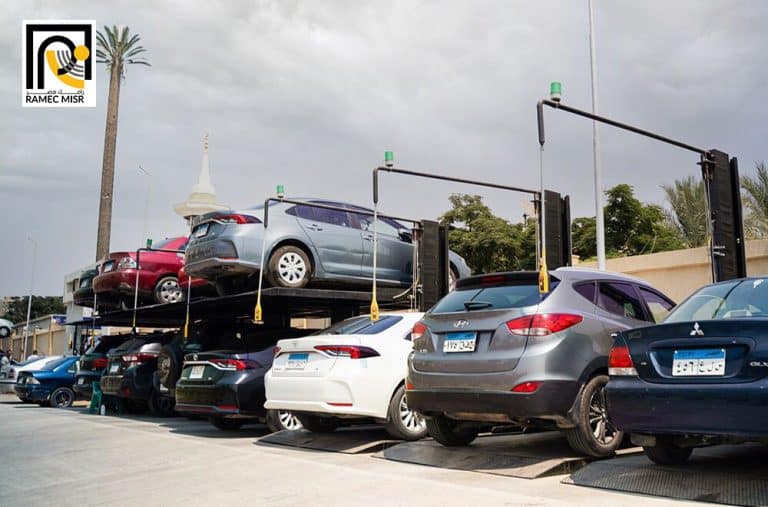
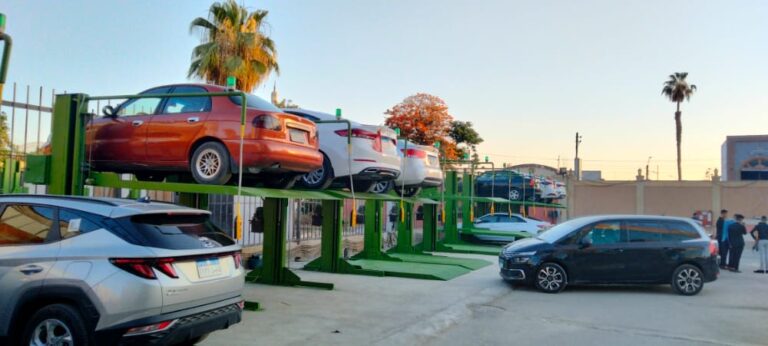
Another key advantage is the optimization of land usage. Cities today face constant challenges related to limited space. Traditional parking lots occupy large ground areas but offer limited capacity. Smart parking systems, especially automated and mechanical solutions, allow cities to accommodate more vehicles in the same or even smaller footprint. This enables urban planners to allocate valuable land for more essential services such as green spaces, transportation hubs, and commercial developments.
Smart parking also contributes significantly to environmental sustainability. By reducing traffic congestion and eliminating the need for long searching times, cities can substantially cut carbon emissions. Automated parking structures further support sustainability by minimizing lighting requirements, reducing ventilation needs, and maximizing energy efficiency.
From a safety perspective, smart parking provides a controlled and secure environment for vehicles and pedestrians. Automated systems reduce the risk of collisions inside garages, improve entry and exit flow, and eliminate human error. Integrated monitoring systems enhance surveillance and allow for faster emergency response when needed.
Urban planning also benefits greatly from smart parking technologies. The data collected from sensors and automation systems helps authorities analyze traffic patterns, understand demand peaks, and improve future development strategies. This data-driven approach allows cities to plan smarter and invest in infrastructure that directly enhances mobility.
Finally, smart parking improves the overall user experience. Drivers enjoy a quicker, smoother, and more predictable parking process. Contactless payment, mobile reservations, and automated entry systems create a seamless journey that aligns with the digital transformation happening in modern smart cities.
In conclusion, smart parking is a powerful pillar in creating efficient, safe, and sustainable cities. As urban areas continue to grow, adopting these systems becomes essential for supporting future mobility, enhancing quality of life, and building smarter environments for everyone. Cities that invest in smart parking today are preparing themselves for a more organized, efficient, and eco-friendly tomorrow.