
Smart parking technology is rapidly transforming urban mobility and reshaping the way cities manage vehicle flow, space utilization, and the overall parking experience. As global populations grow and urban centers become more congested, smart parking technology has emerged as a vital solution that addresses long-standing challenges connected to traffic, accessibility, and environmental sustainability.
At its core, smart parking technology relies on sensors, data analytics, automation, and digital connectivity to streamline the parking process. Instead of driving around searching for available spaces—as is common in traditional parking models—drivers can rely on real-time information provided through mobile apps, control systems, or smart signage. This significantly reduces unnecessary traffic, which is often caused by drivers circling around parking areas looking for open spots.
One of the greatest strengths of smart parking technology is data-driven efficiency. By collecting information about occupancy, traffic patterns, and peak hours, operators can gain clear insights into how their facilities are being used. This enables better planning, intelligent decision-making, and improved management of parking resources. As a result, cities can reduce congestion, enhance the flow of vehicles, and make parking more accessible.
Smart parking technology also contributes to sustainability. When cars spend less time searching for parking, fuel consumption drops and carbon emissions decrease. Many systems even integrate electric vehicle charging stations, supporting the global shift toward cleaner transportation. This makes smart parking not only practical but environmentally responsible.
Another key advantage is the improved user experience. Smart parking technology allows drivers to reserve parking spaces in advance, pay digitally without contact, and avoid the stress associated with navigating busy parking facilities. Through automated systems and user-friendly mobile interfaces, drivers can enjoy seamless entry and exit, saving time and improving convenience.
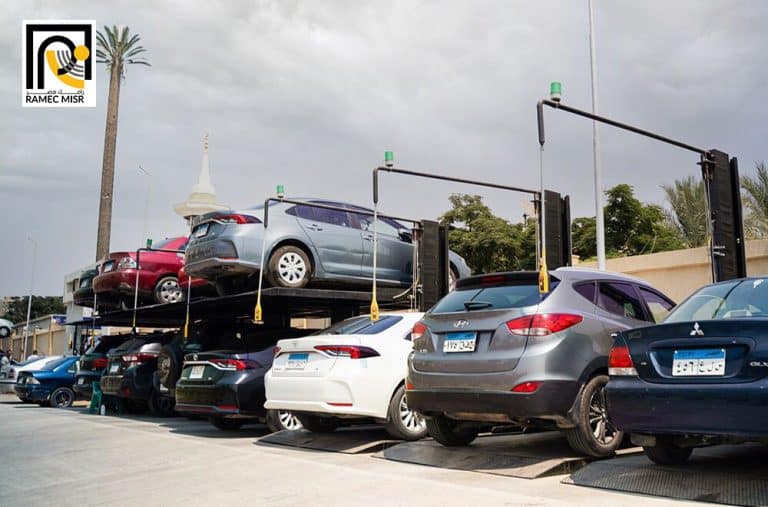
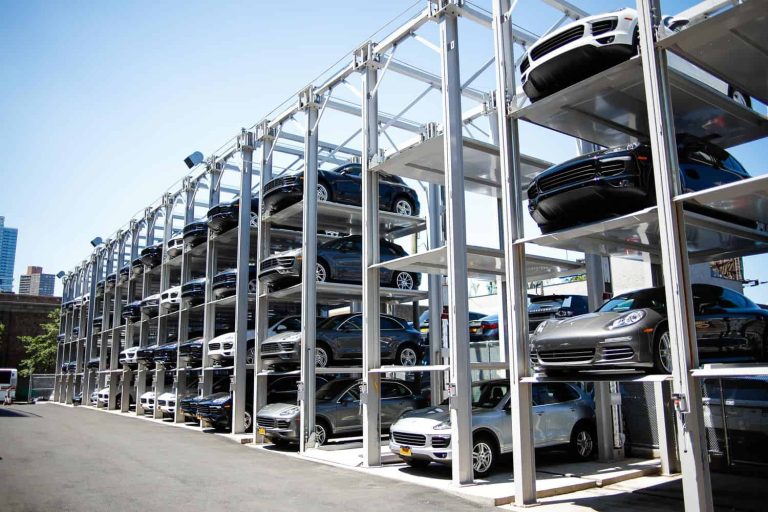
Smart parking technology integrates effectively with automated and mechanical parking systems, making it ideal for modern high-density environments. Sensors can detect the availability of robotic parking bays, while digital platforms communicate with automated lifts or stacking systems to ensure smooth vehicle transport. This creates a unified parking ecosystem where technology works together to improve operational efficiency.
From a city planner’s perspective, smart parking technology offers powerful tools for urban development. By analyzing parking demand, authorities can identify areas that require expansion, redesign, or traffic restructuring. They can also establish dynamic pricing models or dedicated zones to optimize vehicle flow. This leads to better planning decisions that ultimately create more livable and organized cities.
Security is another essential component of smart parking technology. Systems can be equipped with surveillance cameras, motion detection, license plate recognition, and automated access control. These features protect users against theft, vandalism, and unauthorized entry. They also enhance safety by reducing the need for drivers to move through poorly lit or crowded areas.
Smart parking technology is also beneficial for businesses and property developers. Shopping centers, office towers, hospitals, hotels, and residential buildings all benefit from improved traffic management and enhanced customer satisfaction. Efficient parking encourages repeat visits and improves the overall value of properties by providing modern, technology-driven facilities.
Looking toward the future, smart parking technology will continue to evolve through artificial intelligence and machine learning. These technologies will allow systems to predict occupancy, adjust to traffic conditions, and even interact with autonomous vehicles. With these advancements, cities will continue moving toward a smarter, more sustainable mobility model.
In conclusion, smart parking technology represents a fundamental shift in the way parking infrastructure is designed and managed. By combining automation, digital tools, real-time data, and user-friendly features, it creates a more efficient, safer, and environmentally responsible urban mobility ecosystem. As cities grow and transportation needs evolve, smart parking technology will remain at the center of modern urban planning.