Smart parking systems are rapidly transforming transportation and building infrastructure across Egypt. As cities expand and available land becomes limited, traditional parking methods are no longer efficient enough to support residential, commercial, and governmental traffic. This shift has created a high demand for advanced mechanical and automated parking solutions that maximise capacity, reduce congestion, and support modern urban lifestyles.
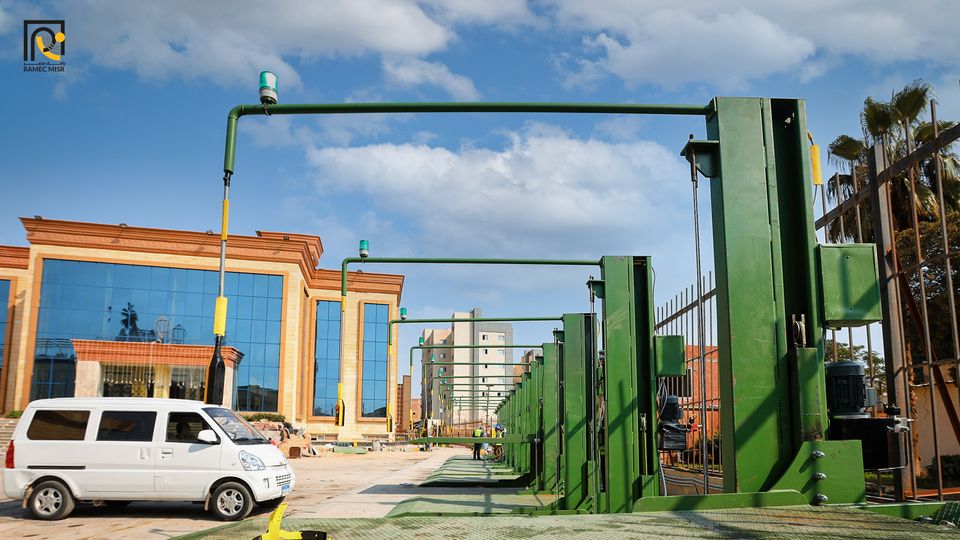
Smart parking systems are structures designed to store vehicles vertically or horizontally using engineered platforms, motors, and control systems. They are commonly installed in residential buildings, shopping centres, business districts, hospitals, and real-estate developments where space optimisation is a priority. These systems significantly increase the number of vehicles that can be accommodated within limited areas while maintaining high standards of safety and accessibility.
1. Types of Smart Parking Systems
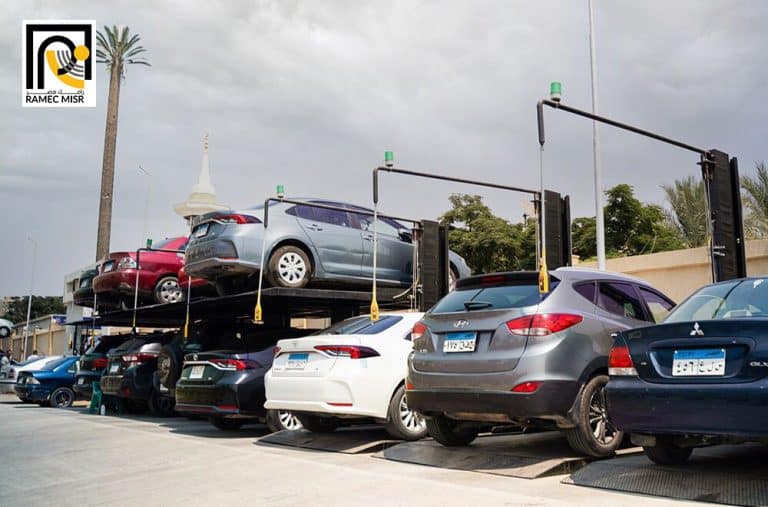
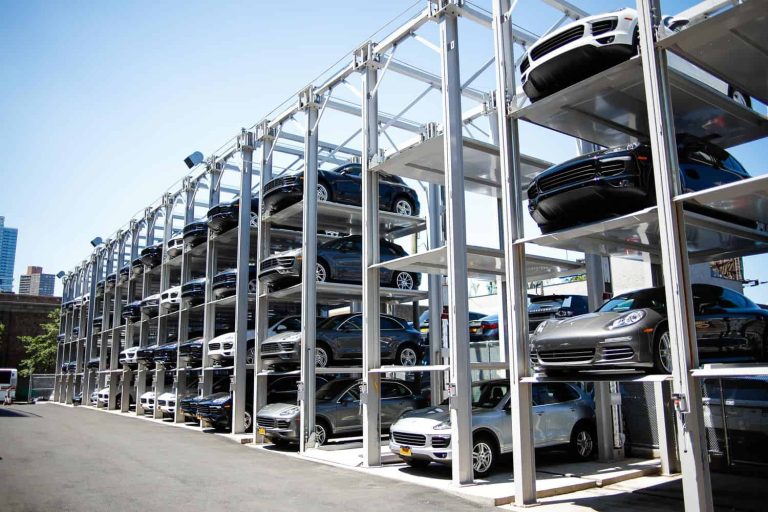
Egyptian developers today rely on several main categories of mechanical and automated parking systems. Stack parking systems, such as double or multi-level stackers, use lifting platforms to store vehicles above each other, making them ideal for small residential buildings and villas. Puzzle and semi-automated systems provide a combination of horizontal and vertical movement, enabling smooth operation in commercial and medium-traffic environments.
Rotary or carousel systems are engineered for extremely narrow plots where traditional construction is not possible. Parking tower systems—vertical structures with multiple storage levels—are designed for high-density areas, administrative zones, and multi-use buildings. The most advanced option is fully automated robotic parking, where vehicles are moved by smart shuttles or conveyors without human involvement.
2. Key Benefits of Smart Parking Systems
One of the most important advantages is efficient space utilisation. Instead of requiring large open areas or deep underground excavation, smart parking systems allow developers to place a large number of cars within compact footprints. This increases the overall value of the property and ensures better land usage.
These systems also improve vehicle safety. Because cars remain inside steel-structured units, they are protected from dust, weather conditions, scratches, and accidental contact. Additionally, automated systems reduce human errors and prevent unnecessary movement inside the parking area.
Smart parking systems also contribute to smoother traffic flow. Drivers no longer need to circle around large garages searching for available spaces. Automated platforms quickly retrieve the required vehicle, reducing waiting times and minimising congestion. This helps decrease fuel consumption and emissions inside buildings, supporting sustainability goals.
3. Safety Features and Technical Considerations
Modern smart parking systems are equipped with multiple safety features, such as overload protection, emergency stop functions, anti-fall mechanisms, fire-resistant components, and sensors that monitor platform movements. These features ensure reliable operation and long-term stability.
Before choosing a system, several architectural and engineering factors must be evaluated. These include ceiling height, soil condition, available width, access points, entry and exit flow, and expected number of daily users. Each type of system has specific requirements, and choosing the correct one ensures smoother installation and better performance.
4. Choosing the Right System for Your Project
The ideal parking system depends on the project’s goals, user type, building layout, and available space. Residential buildings may prioritise simple mechanical systems, while hospitals, malls, and government facilities often require fully automated or tower-based solutions to handle high traffic. Working with a specialised engineering provider ensures accurate planning, custom design, and long-term support.
Conclusion
Smart parking systems offer a practical, safe, and space-efficient solution for modern Egypt. As demand for advanced infrastructure continues to grow, these systems are becoming essential for sustainable urban development, providing buildings with organisation, safety, and long-term value.