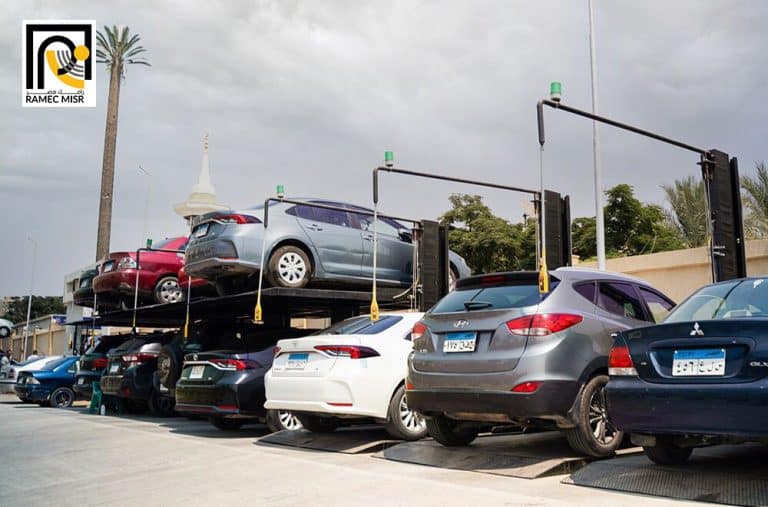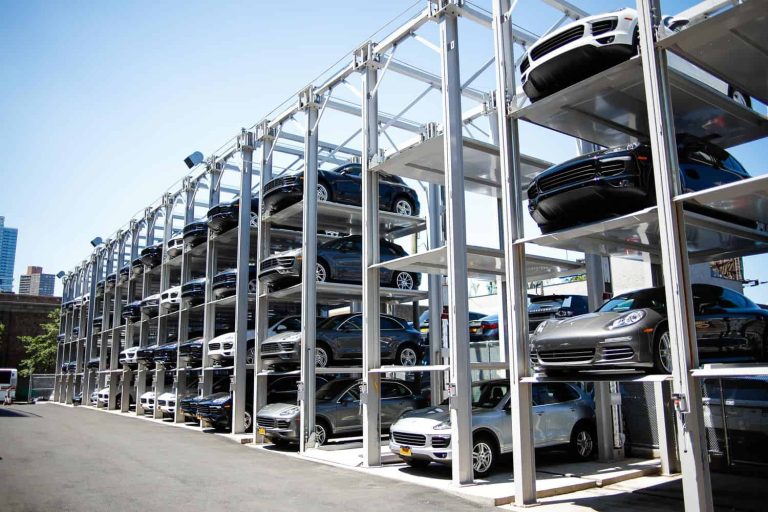
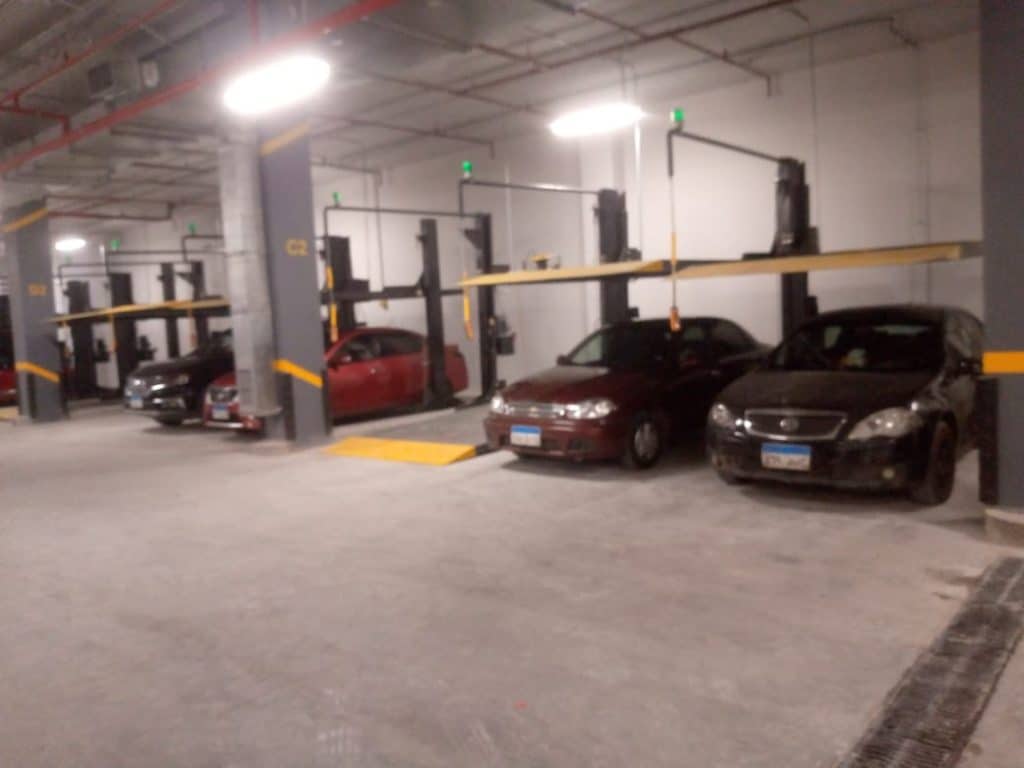
Mechanical parking solutions have become increasingly essential in modern cities that struggle with growing populations, limited land availability, and high traffic density. Traditional parking structures are no longer efficient enough to accommodate the demands of today’s urban environment. As a result, mechanical parking solutions are emerging as a smart and advanced alternative capable of transforming the way cities manage vehicle storage and traffic flow.
At their core, mechanical parking solutions use automated platforms, lifts, conveyors, and intelligent control systems to store vehicles vertically or in compact horizontal arrays. This eliminates the need for drivers to navigate inside parking facilities, reduces the risk of damage, and significantly increases parking capacity. The technology is designed to provide maximum efficiency with minimum space requirements, which is crucial in areas where land is expensive or hard to access.
One of the most notable benefits of mechanical parking solutions is space optimization. Traditional garages must allocate large areas for ramps, lanes, ventilation systems, and vehicle circulation. In contrast, mechanical systems remove the need for internal movement pathways. Vehicles are stored much closer together, allowing property owners to double or even triple their parking capacity using the same footprint.
Safety is another key advantage. Because the system controls the storage and retrieval of vehicles automatically, drivers do not enter the parking area itself. This eliminates potential accidents, improves vehicle security, and ensures full protection from environmental factors. Cars remain untouched by other drivers, reducing the chances of scratches or collisions. The controlled environment also prevents theft and unauthorized access.
Additionally, mechanical parking solutions contribute to smoother traffic flow. When users drop their cars off at an entry point, the system automatically handles the rest. There is no driving around, no searching for spaces, and no congestion inside the facility. The retrieval process is equally efficient, making the entire experience fast and highly convenient for drivers.
Mechanical parking solutions also support sustainability. By reducing the need for large concrete structures and minimizing the time vehicles spend circulating, energy consumption and emissions are significantly reduced. The compact design allows builders to preserve more green space and use urban land more responsibly.
Digital integration plays a major role in enhancing the effectiveness of mechanical parking systems. Many modern solutions are equipped with advanced monitoring tools that enable real-time tracking of occupancy and performance. Facility managers can access dashboards that display system status, maintenance needs, and traffic patterns. This makes it easier to predict demand and optimize operations.
Mechanical parking solutions are highly adaptable and can be installed in a variety of environments, including residential buildings, commercial complexes, hospitals, hotels, and mixed-use developments. Their modular structure allows for customization based on height, width, and capacity requirements. They can even be integrated into existing buildings that need more parking capacity without requiring major structural changes.
From a user experience perspective, mechanical parking solutions offer simplicity and reliability. Drivers interact with a clear, organized interface—either through touchscreens or mobile applications—to initiate the parking process. This modern approach appeals to users who expect convenience and automated services in their daily lives.
As cities continue to evolve, mechanical parking solutions are becoming a fundamental part of urban planning. They offer long-term benefits such as improved land usage, increased safety, reduced congestion, and enhanced sustainability. Policymakers, developers, and business owners are increasingly recognizing the value of these systems as essential infrastructure components that contribute to smarter cities and better quality of life.
In conclusion, mechanical parking solutions represent the future of efficient urban parking. Their ability to maximize space, enhance safety, and streamline traffic makes them a powerful alternative to traditional garages. As urbanization accelerates, their importance will only continue to grow, driving cities toward more organized and intelligent transportation ecosystems.