Traffic congestion has become one of the most pressing issues in major cities worldwide. As urban populations grow and the number of vehicles increases, many cities struggle to maintain smooth traffic flow. One of the most effective modern solutions is smart parking, a technology-driven approach that directly addresses several root causes of congestion. By improving efficiency, reducing searching time, and optimizing space usage, smart parking plays a significant role in easing traffic pressure on urban roads.
A major contributor to congestion is the time drivers spend searching for a parking space. Studies show that a considerable percentage of inner-city traffic results from drivers circling around blocks waiting for someone to leave or hoping to find an empty spot. Smart parking systems eliminate this issue by providing real-time information about available spaces. Through sensors, cameras, and mobile applications, drivers can instantly locate the closest available parking space, reducing unnecessary movement. This not only saves time but also contributes to a smoother and more predictable traffic flow.
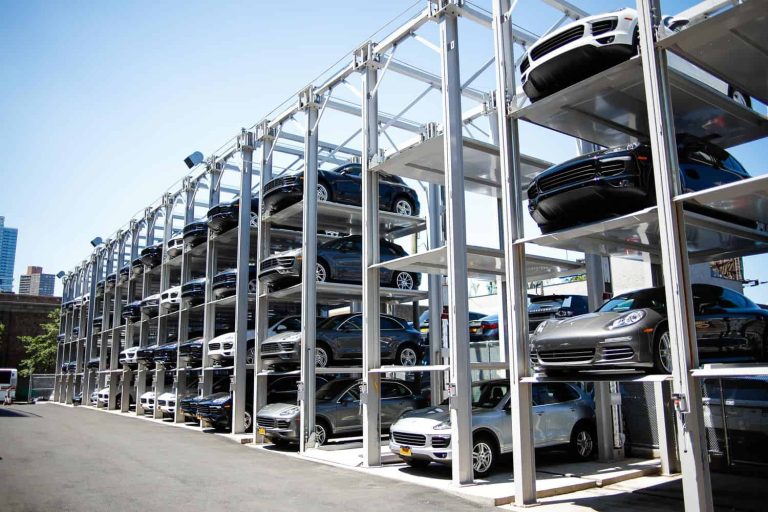
Another important aspect is the reduction in illegal parking. When parking spaces are scarce or difficult to find, many drivers resort to parking in restricted areas, double parking, or blocking lanes. This behavior significantly slows down traffic and increases the risk of accidents. Smart parking minimizes this problem by offering organized and high-capacity parking structures, particularly automated parking systems that maximize efficiency. With more available spaces and clearer guidance, drivers have little need to park improperly.
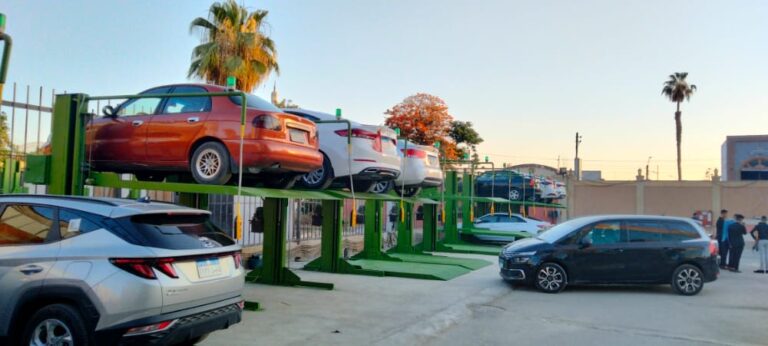
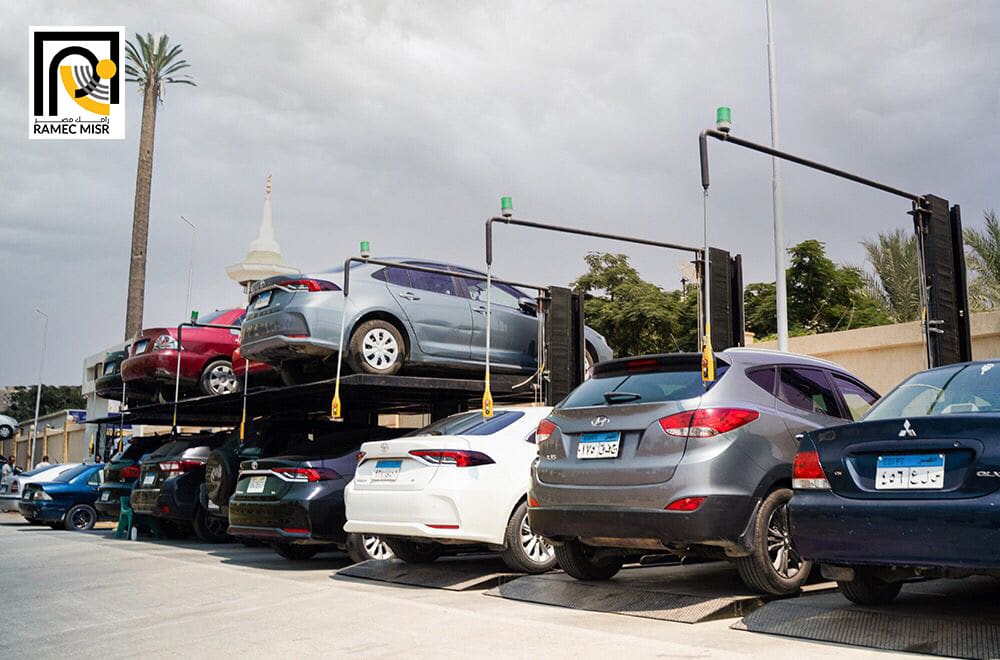
Smart parking also supports more efficient use of urban land. Traditional parking lots occupy large areas while offering limited capacity. Automated and mechanical smart parking solutions can house more vehicles vertically, enabling cities to reduce the number of surface parking areas. This leads to more open roads, better-organized traffic routes, and improved pedestrian mobility.
In addition, smart parking helps reduce pollution caused by congested traffic. When vehicles spend less time idling, circling, or waiting for parking spots, fuel consumption drops significantly. This reduction in emissions contributes to a cleaner urban environment and enhances the quality of life for citizens. For cities focusing on sustainability, smart parking is a key component in their environmental strategy.
From a planning perspective, smart parking provides valuable data that helps city authorities understand traffic patterns and peak demand times. Sensors and automated systems track occupancy levels and vehicle flow, generating insights that guide future infrastructure expansion. With accurate data, cities can make informed decisions about where new parking structures, road expansions, or traffic regulations are needed.
Moreover, smart parking improves overall mobility by creating a more structured parking ecosystem. Drivers no longer need to rely on chance when finding parking; instead, they experience a smoother and more reliable journey. Many smart parking systems also include reservation options, allowing drivers to book a parking spot in advance. This removes uncertainty and reduces traffic during peak hours.
Finally, smart parking contributes to a safer driving environment. Reduced searching time means fewer distracted drivers on the road. Automated systems minimize the chances of collisions inside parking facilities, while digital guidance reduces confusion during entry and exit.
In conclusion, smart parking is a vital solution for reducing traffic congestion and improving overall city mobility. As traffic challenges continue to rise, implementing modern parking technologies becomes essential for creating efficient, safe, and sustainable urban environments.