Automated parking systems have rapidly become a fundamental part of modern urban infrastructure. As cities grow denser and populations increase, traditional parking models can no longer support the rising number of vehicles on the road. This shift has encouraged governments, developers, and private institutions to adopt automated parking systems as an advanced solution that maximizes efficiency, ensures safety, and improves urban living.
The core idea behind automated parking systems revolves around using mechanical lifts, robotic platforms, and advanced control technologies to transport vehicles from the entry point to their designated storage positions. This removes the need for drivers to navigate inside the parking area, reducing congestion, minimizing risk, and improving the overall user experience.
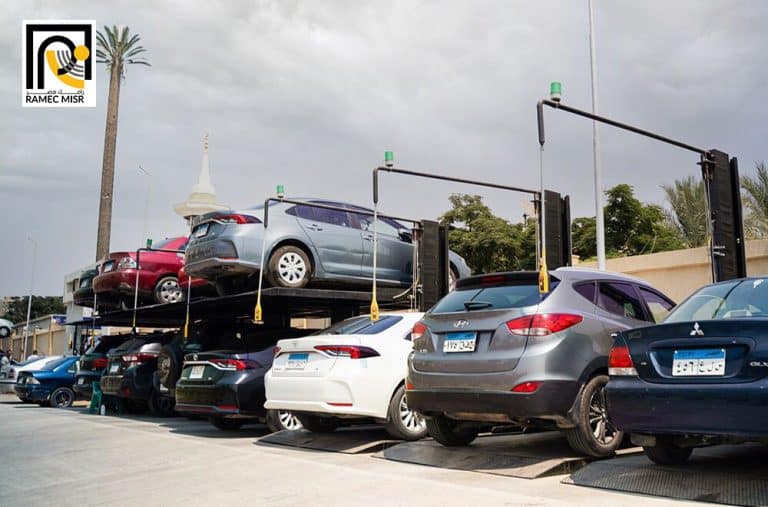
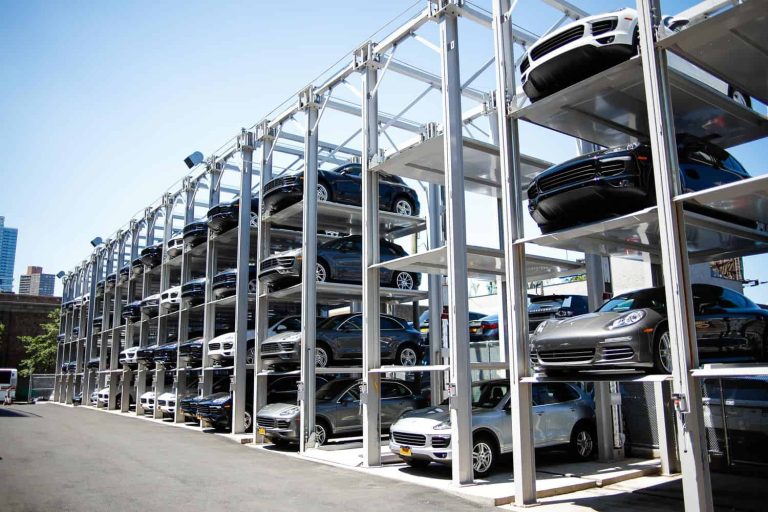
One of the greatest benefits of automated parking systems is space optimization. Traditional parking structures require wide lanes, ramps, and circulation areas for cars to move. In contrast, automated systems eliminate the need for internal driving spaces. Cars are stacked on multiple levels with minimal gaps, allowing buildings to store far more vehicles within the same footprint. This is crucial for cities facing land shortages and increasing construction demands.
Safety also plays a major role in the rise of automated parking systems. Cars are securely stored without any human interaction, decreasing the chances of theft, vandalism, accidents, or physical damage. Drivers leave their cars at a designated entry point, and the system handles the rest using sensors and automation. This ensures that the vehicle remains protected until the owner retrieves it.
Another significant advantage is operational efficiency. Automated parking systems reduce traffic flow inside buildings by preventing cars from circulating or searching for open spaces. They also allow faster entry and exit, which is especially valuable in high-traffic areas such as airports, shopping centers, hospitals, and office buildings. The seamless process improves user satisfaction and reduces the time spent navigating parking facilities.
Automated parking systems also support sustainability goals. With vehicles spending less time driving inside parking areas, fuel consumption and harmful emissions decrease. In addition, developers can build smaller, more efficient structures that use fewer building materials, helping reduce environmental impact.
Digital integration is another key aspect. Modern automated parking systems can connect to mobile apps or smart management platforms that allow property owners and users to monitor occupancy, system status, and vehicle movement in real time. Drivers can receive notifications when their vehicle is ready, reserve spaces in advance, or benefit from contactless entry and exit.
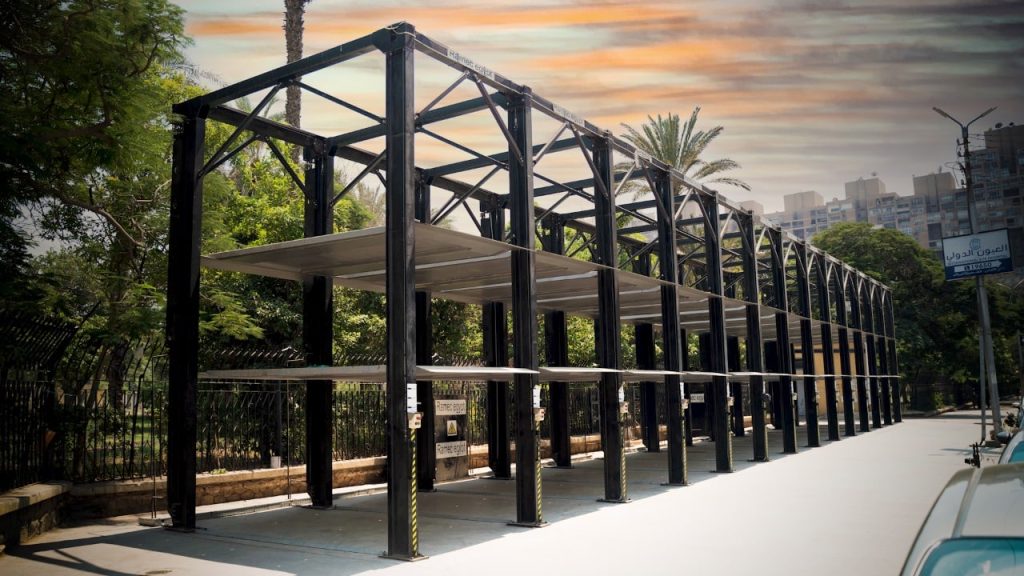
These systems are not only technologically advanced but also highly adaptable. Whether installed in residential buildings, hotels, universities, governmental institutions, or commercial towers, automated parking systems can be customized according to capacity, height limits, and architectural constraints. Their modular designs make them suitable for new developments as well as retrofitting older structures.
From an economic standpoint, automated parking systems improve land value by enabling developers to maximize the usable area of their projects. Instead of allocating large horizontal spaces for traditional garages, buildings can incorporate vertical or semi-vertical structures that serve more vehicles efficiently.
Ultimately, automated parking systems represent a major step toward smarter urban environments. They address long-standing challenges related to traffic, space, and sustainability. As cities continue to evolve and technology advances, automated parking systems will play an increasingly important role in shaping modern infrastructure, offering reliable and innovative solutions for decades to come.